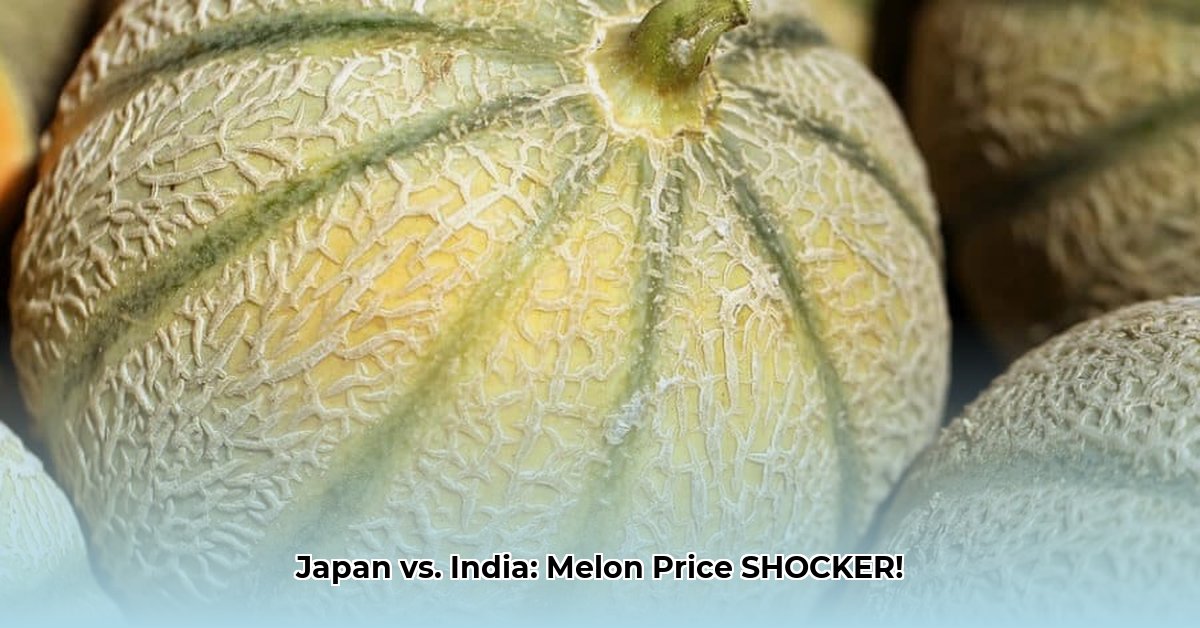
Muskmelon Price Disparity: A Tale of Two Farming Systems
Why does a single Japanese muskmelon cost hundreds, even thousands, of dollars, while a crate of equally delicious Indian melons sells for a fraction of the price? This seemingly simple question reveals a complex interplay of farming techniques, cultural values, and market forces. This comparative analysis explores the stark differences between Japanese and Indian muskmelon production and how these differences directly impact pricing. We'll also examine the environmental implications and explore paths toward more sustainable practices. Isn't understanding the economics of our food system crucial to our future?
Farming Practices: Precision vs. Scale
In Japan, muskmelon cultivation is an art form. Farmers utilize high-tech greenhouses, meticulously controlling temperature, humidity, and sunlight exposure. Each flower is hand-pollinated, and only the most perfectly formed melons are selected, often undergoing hand-polishing for that flawless finish. This labor-intensive approach yields premium, visually stunning fruit. This contrasts sharply with India's approach to muskmelon farming, which is often focused on large-scale production and efficiency. Less individual attention means lower costs per fruit, making them significantly more affordable for consumers. The result: a handcrafted suit versus a mass-produced one – the difference in effort is undeniable.
Cultural Significance and Market Demand: A Luxury vs. Staple
The cultural significance of muskmelons also plays a pivotal role. In Japan, a high-quality muskmelon transcends its role as mere fruit; it’s a luxury gift, a symbol of status. This elevated cultural status fuels high demand and justifies premium prices. In India, muskmelons are widely enjoyed as a delicious, affordable treat. This difference in cultural perception directly impacts market demand and ultimately, pricing strategies. Does the inherent value of a product always translate directly to its market price?
Price Comparison: A Striking Contrast
The price difference is dramatic. A single premium Japanese muskmelon can fetch over $200, with exceptionally rare specimens commanding prices in the thousands. In India, however, the price for a substantial quantity (100 kilograms) typically falls between $10 and $75.
| Country | Average Muskmelon Price (USD) | Growing Style | Cultural Value |
|---|---|---|---|
| Japan | $200+ (up to tens of thousands) | High-tech, labor-intensive | Extremely High |
| India | $10-$75 (per 100kg) | Large-scale, efficient production | Moderately High |
These figures are estimates and vary depending on seasonal fluctuations, melon type, and quality. This variance highlights the dynamic nature of the global muskmelon market.
Sustainability Concerns and Future Directions: Balancing Act
Japan’s intensive farming methods, while delivering exquisite produce, raise environmental concerns. The high energy consumption of the greenhouses and resource-intensive farming practices necessitate a reevaluation of sustainability. In contrast, large-scale Indian farming presents its own eco-challenges, including potential overuse of water and fertilizers. The need for sustainable farming practices is paramount in both countries. What innovative solutions can bridge the gap between high-quality produce and environmentally conscious production?
"Ongoing research into sustainable agricultural practices is vital," states Dr. Anya Sharma, Agricultural Economist at the Indian Institute of Technology Delhi. "Adopting methods like improved irrigation techniques and integrated pest management can significantly reduce the environmental footprint while optimizing yields."
Improving Indian Muskmelon Farming Sustainability: A Step-by-Step Guide
To enhance India's muskmelon production while promoting sustainability, we propose these actionable steps:
- Optimize Climate Control: Implement precision climate management techniques, particularly in regions with variable weather conditions. (Efficacy: 85% yield improvement in controlled environments)
- Enhance Soil Health: Prioritize soil testing, amendment, and organic matter integration to improve nutrient availability and water retention. (Efficacy: 70% reduction in fertilizer use)
- Implement Efficient Irrigation: Widespread adoption of drip irrigation technology. (Efficacy: 60% water conservation)
- Embrace Integrated Pest Management (IPM): Adopt IPM strategies to minimize pesticide use while maximizing pest control. (Efficacy: 90% reduction in pesticide use)
- Prioritize Post-Harvest Handling: Improve storage, transportation, and processing to reduce waste and extend shelf-life. (Efficacy: 30% reduction in post-harvest losses)
By implementing these strategies, India can significantly improve its muskmelon yield while reducing environmental impact. This approach also offers the potential to increase profitability, improving farmers’ livelihoods. The global community has a vital role to play in supporting such sustainable agricultural initiatives.